


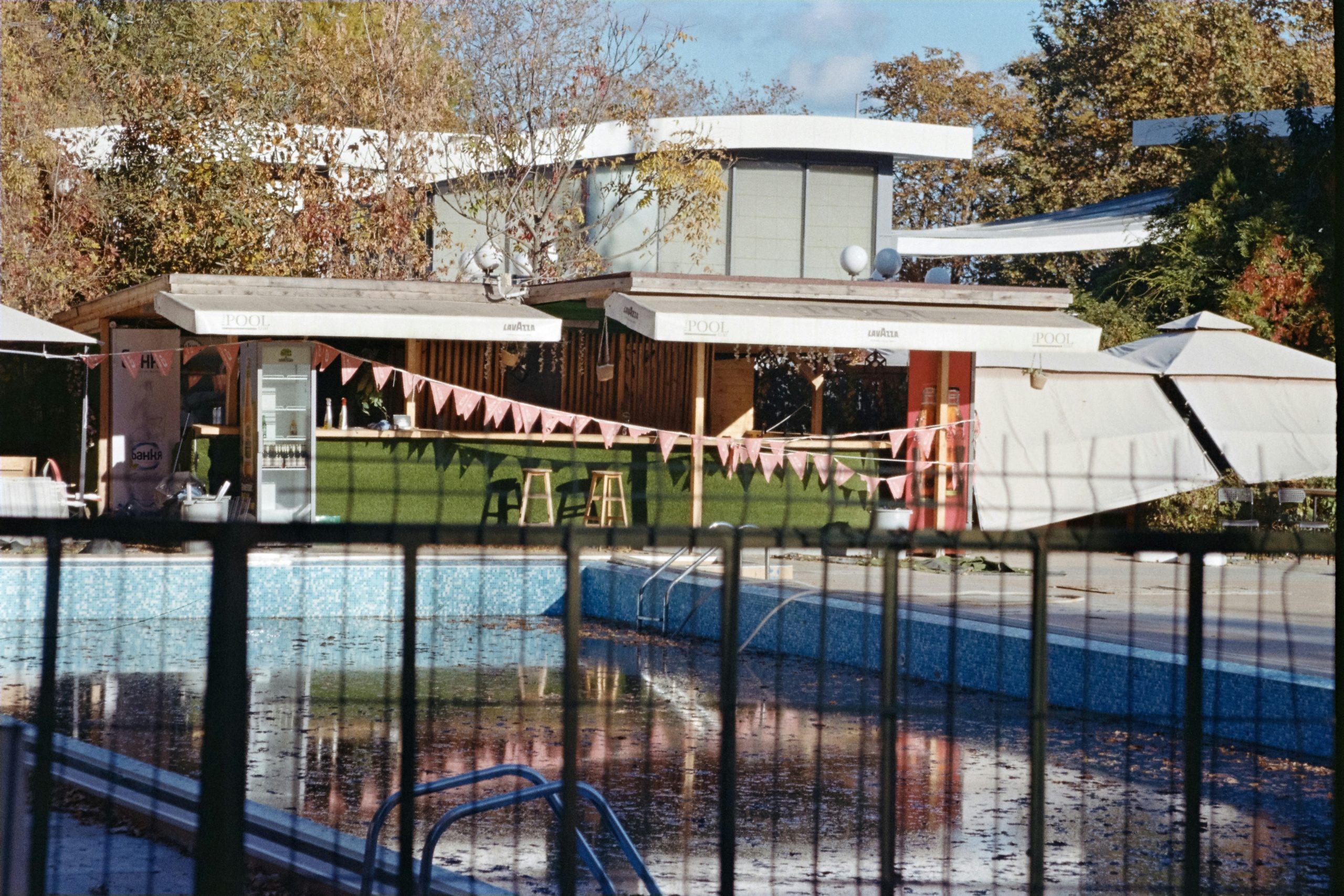
Closing your swimming pool for the season is an important part of protecting your investment, but pool maintenance does not necessarily end when the cover goes on.
Maryland homeowners know that fall and winter can bring changing temperatures, heavy rain, wind, leaves, and other conditions that can affect a closed swimming pool. Taking a few precautions throughout the off-season can help protect the pool and equipment and make the eventual spring opening easier.
For homeowners in Fallston and surrounding Maryland communities, understanding what to do after closing your pool can help prevent avoidable problems during the winter months.
Does a Closed Pool Still Need Maintenance?
Yes. A pool that has been properly closed requires less maintenance than a pool that is being used, but it should not necessarily be ignored all winter.
A pool cover protects the water from many forms of debris, but leaves, branches, rainwater, snow, and changing weather can still affect the pool area.
Periodic inspections can help homeowners identify problems before they become more serious.
The goal is not to maintain the pool as if it were still open. Instead, winter pool maintenance is about monitoring the pool, cover, and surrounding equipment and addressing potential problems when necessary.
1. Inspect the Pool Cover Regularly
The pool cover is one of the most important components of a properly closed pool.
During fall and winter, inspect the cover periodically for:
- Tears or visible damage
- Loose or damaged hardware
- Excessive debris
- Water accumulation
- Improper positioning
- Signs that the cover has shifted
Leaves and branches should not be allowed to accumulate excessively on the cover.
If you notice damage or a significant change in the way the cover is sitting, address it as soon as possible.
A damaged or improperly secured cover may not provide the protection your pool needs throughout the winter.
2. Keep Leaves and Debris Under Control
Maryland’s fall season can bring substantial amounts of leaves into residential yards.
Even when a swimming pool is closed, debris around the pool can become a maintenance concern.
Keep the area surrounding the pool reasonably clear and monitor the cover for excessive accumulation.
Removing debris regularly can also make spring pool opening and cleanup easier.
If large branches fall onto or near the pool cover after a storm, inspect the area carefully and consider having the cover evaluated if you suspect damage.
3. Monitor Water Levels
Changes in weather can affect the water level of a closed pool.
Heavy rain can increase water levels, while evaporation and other conditions can cause them to change in the opposite direction.
Homeowners should periodically inspect the pool and pay attention to unusual changes.
If the water level changes significantly without an obvious explanation, there may be an underlying issue that should be evaluated.
Monitoring water levels during the off-season can help homeowners identify potential problems before spring.
4. Pay Attention to Pool Equipment
Pool equipment should be properly prepared before winter, but homeowners should still be aware of its condition throughout the off-season.
Pay attention to visible issues involving:
- Pumps
- Filters
- Plumbing
- Heaters
- Skimmers
- Valves
- Pool cleaning equipment
If you noticed unusual noises, leaks, weak circulation, or other equipment problems before closing the pool, winter is not necessarily the time to forget about them.
Addressing known problems before spring can help reduce the chance of discovering a larger repair issue when you’re ready to reopen the pool.
5. Protect the Area Around the Pool
Winter pool care is not limited to the water itself.
The area surrounding the pool should also be inspected periodically.
Look for:
- Fallen branches
- Damaged fencing
- Standing water
- Debris accumulation
- Damage to pool equipment
- Problems with the pool deck or surrounding surfaces
Severe weather can create conditions that are easy to overlook during the winter.
A quick inspection after major storms can help homeowners catch problems earlier.
6. Don’t Ignore Signs of Water or Equipment Problems
One of the biggest mistakes homeowners can make is assuming that every pool problem can wait until spring.
If you notice unusual water loss, visible equipment damage, leaks, damaged plumbing, or other concerning signs, have the problem evaluated.
A small issue may be easier to address before months of winter weather make the situation more complicated.
The same principle applies to the pool cover.
If a cover becomes damaged during a storm, don’t simply wait until spring to inspect it.
7. Prepare for Spring Pool Opening
One of the biggest benefits of proper winter pool maintenance is that it can make spring opening easier.
Before winter ends, homeowners should have a plan for:
- Pool cover removal
- Debris removal
- Equipment inspection
- Water testing
- Cleaning
- Chemical balancing
- Equipment startup
Planning ahead can make the transition from winter to swimming season much smoother.
It can also give homeowners an opportunity to schedule professional pool opening services before spring demand increases.
Why Winter Pool Maintenance Matters in Maryland
Maryland homeowners experience a wide range of seasonal weather conditions.
While a properly closed pool is designed to remain protected during the colder months, seasonal inspections and attention to the surrounding area can help homeowners catch issues early.
Winter pool maintenance is not about constantly working on a closed pool.
It is about protecting the investment you have already made in your swimming pool.
When Should You Call a Pool Professional?
Homeowners should consider professional assistance if they discover:
- A damaged pool cover
- Unexpected water loss
- Equipment damage
- Plumbing concerns
- Leaks
- Pool surface damage
- Problems that were present before the pool was closed
- Uncertainty about winter pool care
Professional pool service can provide homeowners with an additional level of confidence that their pool is properly prepared for the off-season.
Winter Pool Maintenance in Fallston, MD
For homeowners in Fallston, Bel Air, Forest Hill, Abingdon, and surrounding Maryland communities, proper off-season pool care can help protect the pool throughout the winter.
Coby Pros provides professional pool maintenance and seasonal pool services designed to help homeowners take care of their pools throughout the year.
If your pool has already been closed for the season, don’t completely forget about it until spring. Periodic inspections and proper winter pool care can help you protect your pool and make the next swimming season easier to prepare for.
Contact Coby Pros to learn more about professional pool maintenance and seasonal services in Maryland.